We do not respond to voicemails. If we do not answer, we are on the line with another client. Please text or email us. We respond throughout the day or attempt to call again at another time.

Mind and Matter: Why the Latest Survey on Mental Health and Substance Use Matters

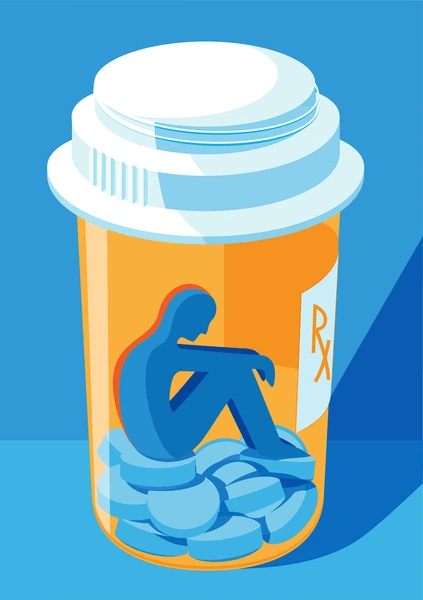
A new national survey on mental health and substance use from the Substance Abuse and Mental Health Services Administration (SAMHSA) offers a detailed look at how mental health and substance use intersect across the United States. Beyond the numbers, the findings give us important insight into how care systems, clinicians, and educators can better support people navigating both challenges.
Key Findings
- In 2024, an estimated 61.5 million adults experienced some form of mental illness within the past year. Of those, just over half or 32 million people, received some type of mental health treatment.
- Among adults with serious mental illness (SMI), treatment engagement was higher. Roughly 70 percent, or 10.3 million people, accessed mental health care during the year. That is encouraging progress, but it also means that nearly one in three adults with a serious condition did not receive services.
- On the substance use side, about 31.7 million adults (12.2 percent of the population) reported that they have experienced a problem with alcohol or drug use at some point. The hopeful part of this story lies in recovery: nearly three quarters (74.3 percent, or about 23.5 million people) consider themselves to be in recovery or recovered.
Why These Findings Matter
These figures are more than statistics, they reflect real experiences and ongoing gaps in care.
Access and barriers remain a challenge. Even with progress in treatment utilization, too many individuals with serious mental illness still go without help. Financial, cultural, and systemic barriers continue to limit access to care.
The overlap of mental health and substance use is another key takeaway. The data highlight what providers already know from daily practice. These issues rarely exist in isolation. Integrated care models that screen for both mental health and substance use can make a meaningful difference in outcomes.
Recovery as an identity is also a bright spot. The fact that so many people identify as being in recovery signals a cultural and clinical shift toward strength-based perspectives. It reminds us that treatment is not only about symptom reduction, but about reclaiming wellness and identity.
What Providers and Educators Can Do
For clinicians, program directors, and educators, the survey underscores several priorities:
- Screen routinely for both mental health symptoms and substance use—even when a patient presents for one domain only.
- Document clearly: Because treatment utilization is measured and reported, accurate documentation of treatment engagement, follow-up and outcomes matters for quality and possibly for accreditation or CEU topics.
- Embed recovery language and support: Since many individuals view themselves as “in recovery,” care strategies should acknowledge that identity and build on it rather than only focusing on pathology.
- Educate on dual-diagnosis care: Given the overlap, training programs (CEUs, workforce development) should strengthen competencies in co-occurring disorder recognition, evidence-based interventions, and collaborative care models.
Final Thoughts
The SAMHSA survey brings us back to a long-standing truth: mental health and substance use should never be treated as separate silos. People do not experience these struggles in isolation, and our care systems should not treat them that way either.
For those of us in healthcare education, supervision, or direct care, the message is clear. Mind and matter both matter. The future of effective treatment lies in seeing the whole person, not just the presenting problem, and in building care systems that reflect that understanding.